

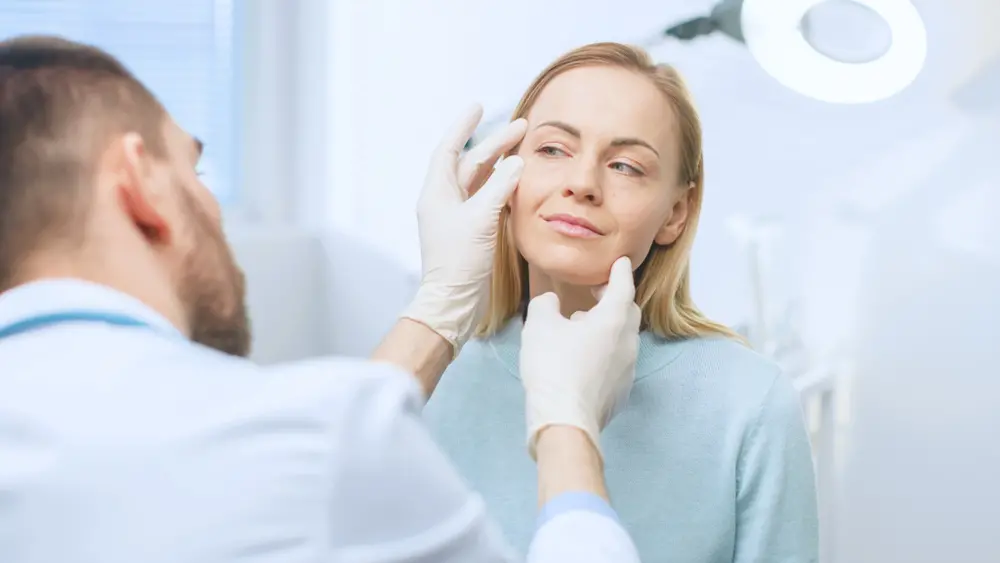
Understanding Facial Thread Lift Techniques
Individuals seeking to address visible jowls, softening jawlines, and prominent nasolabial folds are increasingly turning to advanced structural suspension techniques. A professional thread lift near me involves the precise placement of medical-grade, fully absorbable polymer sutures—such as Polydioxanone (PDO) or Poly-L-Lactic Acid (PLLA)—beneath the subdermal layers of the skin.
These specialized micro-threads feature microscopic textures designed to securely grasp and gently reposition shifted facial tissue. Once anchored, the provider creates strategic tension to lift the sub-surface tissue upward and outward, restoring a more defined silhouette to the lower third of the face. Unlike traditional surgical alterations, this method keeps the skin surface intact, making it a highly requested alternative for individuals managing active professional schedules.
Comparing Non-Surgical Options for Tissue Rejuvenation
When weighing options for facial contour refinement, consumers regularly analyze the differences between volume-adding injectables, energy-based skin tightening devices, and structural thread methods. While dermal fillers are highly effective for replacing localized volume loss, relying solely on fillers to treat gravitational sagging can sometimes add unnecessary weight to the lower face.
A professional thread face lift focuses primarily on mechanical repositioning rather than volume expansion. This structural distinction makes the procedure highly sought after by individuals who desire a crisper jawline profile without adding a puffy or over-filled appearance. Furthermore, as these fully absorbable sutures naturally dissolve within the tissue over several months, they encourage a localized healing response that supports a progressive matrix of fresh, natural collagen along the lift vectors.
Estimated Cost and Service Rates in 2026
Understanding the investment required for advanced aesthetic maintenance helps manage personal wellness budgets effectively. The cost of a professional thread lift cost depends heavily upon the geographical region, the practitioner's medical expertise, and the total number of zones addressed during the session. Comprehensive full-face and neck suspension plans demand significant clinical precision, commanding higher market rates compared to localized mid-face or brow-lifting procedures.
Estimated Price Ranges for Common Thread Procedures (US Market)
| Treatment Area | Estimated Price Range |
|---|---|
| Localized Brow / Cat-Eye Lift | $800 - $1,500 |
| Mid-Face / Cheek Elevation | $1,500 - $2,800 |
| Lower Face & Jowl Targeting | $2,000 - $3,500 |
| Neck Contour Realignment | $1,800 - $3,000 |
| Comprehensive Full-Face Package | $3,500 - $6,000 |
Disclaimer: Prices are general market estimates and vary extensively based on individual anatomy, provider credentials, and specific material types.
Regional Pricing Variations in the United States
Locating the right clinical provider requires understanding regional market dynamics across the United States. Operational overhead, local regulations, and aesthetic preferences vary substantially by metropolitan area and zip code:
- New York, NY (10001): High-end medical spas operating in premier Manhattan medical districts carry significant structural overhead. Comprehensive full-face treatments in these high-volume urban hubs readily reach the upper echelons of national averages, reflecting a demand for highly experienced, board-certified specialists.
- Los Angeles, CA (90001): Southern California features numerous boutique aesthetic clinics specializing in high-definition jawline contouring. Establishments in Beverly Hills and surrounding districts heavily emphasize customized facial mapping, which frequently influences the overall investment.
- Chicago, IL (60601): Mid-range, highly competitive pricing structures characterize the Midwestern clinical market. Providers in downtown suites often offer bundled skin-resurfacing packages alongside thread treatments to address both structural sagging and surface texture simultaneously.
- Houston, TX (77001): The sprawling geography of the Houston metroplex creates diverse pricing ecosystems. Central medical center suites command premium rates, while suburban clinical practices provide highly competitive options for routine maintenance.
- Phoenix, AZ (85001): Valley providers routinely integrate advanced post-procedure hydration and soothing protocols into their care plans to accommodate the intense desert climate, adapting the total package fee to include comprehensive aftercare.
- Philadelphia, PA (19101): A robust presence of independent, long-standing medical practices maintains a stable, accessible market rate for localized mid-face and lower-jawline treatments.
- San Antonio, TX (78201): Strong local clinical competition ensures cost-effective wellness options. Specialized single-zone vector lifting remains highly economical compared to coastal national averages.
- San Diego, CA (92101): Coastal medical wellness centers frequently position structural thread procedures alongside holistic energy-based therapies, offering expansive, multi-tiered facial rejuvenation plans.
- Dallas, TX (75201): Upscale North Texas aesthetic centers focus heavily on comprehensive lower-face restoration. Practices often combine thread elevation with advanced skin tightening procedures for a high-value finish.
- San Jose, CA (95101): Silicon Valley grooming and wellness lounges mirror the region's elevated cost of living. Highly rated, board-certified practitioners maintain premium rates based upon extensive clinical scheduling demands.
What to Expect During a Professional Session
Clinical safety and strict hygiene protocols remain central to professional medical aesthetic environments. The process initiates with an in-depth facial structural analysis to map out the exact placement vectors. Following the application of a local numbing agent to ensure client comfort, the practitioner introduces the specialized threads using ultra-fine, sterile cannulas.
Clients may feel a mild sensation of pressure or pulling as the structures are adjusted beneath the skin. Sessions are highly efficient, typically concluding within 45 to 90 minutes depending on the complexity of the areas targeted, allowing patients to return home shortly following the procedure.
Essential Aftercare and Structural Maintenance
Proper compliance with post-procedure instructions ensures optimal healing and longevity. Immediately following a session, patients should anticipate a predictable transition window of a few days to two weeks, during which temporary mild swelling, localized tenderness, and a tight pulling sensation are completely normal.
To protect the subdermal structural matrix, clients are advised to avoid strenuous physical exercise, facial massages, dental work, and sleeping on their stomach or side for at least two weeks. Consistent utilization of broad-spectrum sun protection is strongly recommended to protect the skin from natural UV-induced breakdown.
Evaluating Local Establishment Quality
Identifying a premier clinical provider necessitates verifying practitioner experience and specific board certifications in advanced aesthetic medicine. Experienced thread specialists execute the insertion smoothly, which directly minimizes bruising and ensures natural-looking facial proportionality.
Before booking a consultation, individuals reviewing local thread face lift providers should evaluate legitimate patient testimonials concerning clinical safety standards, sterile facility conditions, and the quality of follow-up care provided. Choosing a reputable medical clinic ensures that your structural rejuvenation journey aligns safely with both your aesthetic goals and personal budget.
References
- American Society of Plastic Surgeons (ASPS) - Non-Surgical Thread Lift Guide: https://www.plasticsurgery.org/
- Journal of the American Academy of Dermatology (JAAD) - Structural Dynamics of Mid-to-Lower Facial Aging
- Aesthetic Surgery Journal (ASJ) - Efficacy and Safety of Absorbable Suture Suspension in Facial Rejuvenation
Disclaimer
This article is presented strictly for general informational and educational purposes and does not serve as medical advice, clinical diagnosis, or customized treatment recommendations. Final cosmetic outcomes, recovery timelines, and associated procedural risks vary extensively based on unique personal anatomy, age, and provider expertise. Always schedule an in-person, thorough consultation with a qualified, licensed medical professional or board-certified dermatologist before undergoing any thread-based or energy-based treatment.