

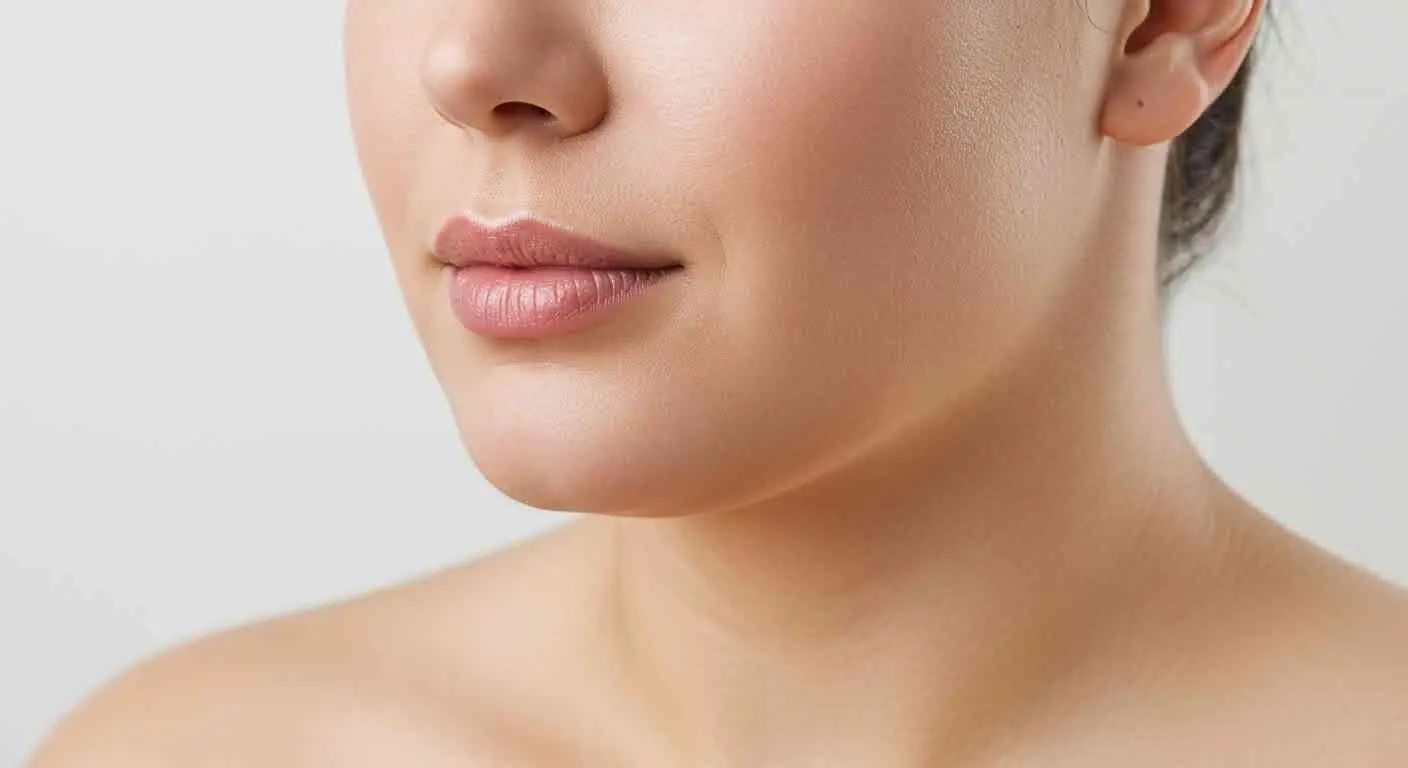
Significant weight reduction often leaves facial skin lacking elasticity. For women 25+, discovering effective methods to tighten face skin after weight loss is essential for restoring facial contours and maintaining long-term dermatological health.
The Biological Science Behind Facial Tissue Changes
When substantial physical transformation occurs, the skin undergoes immense structural shifts. The dermal layer consists primarily of collagen and elastin, proteins responsible for firmness and structural integrity. Chronic stretching from increased volume over extended periods causes physical fatigue in these protein fibers. When the underlying adipose volume diminishes, the stretched tissue may struggle to contract back to its original dimensions. Because cellular regenerative rates naturally decelerate with age, women 25+ face greater hurdles in achieving spontaneous dermal retraction following a major metabolic shift. Understanding this biological mechanism highlights the necessity for proactive, specialized dermatological interventions rather than relying solely on passive recovery.
Understanding the Structural Impact of Fat Depletion
Adipose tissue acts as the primary scaffolding for the outer epidermis. During a calorie deficit, the body breaks down fat pads uniformly, including complex malar (cheek) and submental (chin) fat compartments. The resulting void creates the appearance of loose folds or pronounced nasolabial folds. It is crucial to recognize that the tissue itself has not suddenly degraded; rather, it has lost the essential underlying volume that kept it taut. Addressing this imbalance requires strategies that either replace the lost internal support biologically or induce the outer tissue to shrink physically around the newly defined bony structures.
Evaluating the Price and Options for Non-Surgical Clinical Interventions
To tighten face skin after weight loss effectively, addressing the deeper dermal tissues becomes paramount. Non-surgical clinical treatments provide focused energy or mechanical stimulation to bypass the superficial epidermis and trigger an organized healing response within the lower dermal layers. This biological response encourages fresh collagen synthesis over subsequent months, gradually restoring a firmer appearance. Assessing the procedure details, expected protocols, and the overall price of these professional services is a vital step in comprehensive aesthetic planning.
Deep Tissue Ultrasound Therapy
Focused ultrasound energy reaches the deepest subcutaneous layers, delivering controlled thermal coagulation points directly to the Superficial Musculoaponeurotic System (SMAS). This technique stimulates the same foundational layers typically addressed during surgical facelifts, though without the associated extensive recovery periods. Over a span of several months, the body processes the targeted thermal stimulation by generating new, resilient structural proteins. This modality is highly regarded for treating moderate submental laxity and redefining undefined jawlines.
Radiofrequency (RF) Microneedling
Combining mechanical micro-injuries with precisely delivered thermal energy, RF microneedling addresses both superficial texture concerns and deeper structural laxity. The ultra-fine needles penetrate the outer barrier to deliver heat directly into the target zone, facilitating profound tissue remodeling. Women 25+ frequently utilize this combination therapy to address the jawline and neck areas, where post-weight reduction sagging often appears most prominent. The dual-action mechanism encourages rapid structural turnover while refining overall surface clarity.
Ablative and Non-Ablative Laser Resurfacing
Light-based therapies offer varying degrees of intensity for dermal regeneration. Ablative lasers (such as Carbon Dioxide or Erbium formats) remove the outermost epidermal layer while intensely heating the underlying dermis, prompting a dramatic structural restoration. Non-ablative formats leave the surface intact, relying entirely on subsurface heating to encourage cellular turnover without requiring extended downtime periods. The appropriate choice depends entirely on individual baseline elasticity and professional clinical recommendations derived from in-person assessments.
| Procedure Category | Primary Mechanism of Action | Target Depth | Estimated Price Ranges |
|---|---|---|---|
| Radiofrequency (RF) Therapy | Delivers targeted thermal energy to stimulate deep collagen remodeling without surface damage. | Mid-to-deep dermis | $500 - $1,500 per session |
| Ultrasound Skin Tightening | Focuses intense sound waves to create precision thermal coagulation points. | Deep dermis and SMAS layer | $1,000 - $3,500 per treatment |
| RF Microneedling | Combines physical collagen induction utilizing needles with concentrated thermal energy. | Superficial to mid dermis | $600 - $1,800 per session |
| Ablative Laser Resurfacing | Utilizes intense light to vaporize damaged surface cells and dramatically heat lower tissues. | Epidermis and upper dermis | $1,200 - $3,500 per session |
Disclaimer: Prices are estimates and may vary by provider and location.
The Role of Injectable Biostimulators
Beyond energy-based devices, biostimulatory injectables offer a unique mechanism for structural restoration. Unlike traditional hyaluronic acid fillers that only replace lost physical volume temporarily, specific biostimulating substances actively interact with fibroblast cells. Over the progression of multiple weeks, these compounds degrade naturally while simultaneously leaving behind a newly formed network of native collagen. This progressive enhancement is particularly beneficial for addressing mid-face hollowness and lower face laxity resulting from diminished adipose tissue, essentially creating a reinforced biological scaffolding from within.
Targeted Skincare and Topical Management Strategies
While profound structural changes require clinical devices, maintaining the surface barrier relies heavily on rigorous topical regimens. Effective compounds designed to support elasticity generally feature high concentrations of active ingredients capable of enhancing cellular communication. Medical-grade retinoids stand as the gold standard for accelerating cellular turnover. By continuously prompting the shedding of older cells and the production of new ones, retinoids support an overall firmer texture. Additionally, specialized peptides function as cellular messengers, signaling the body to increase structural protein output.
When combined with potent antioxidants like Vitamin C—which defends against oxidative stress and supports enzymatic collagen synthesis—these formulations create an optimal environment for tissue recovery. To maximize benefits, women 25+ must consistently utilize these advanced formulations while concurrently maintaining strict broad-spectrum solar protection. Ultraviolet degradation consistently undermines internal repair efforts, rendering advanced clinical treatments less effective if daily environmental protection is ignored.
Systemic Strategies: Internal Structural Support
Comprehensive aesthetic planning requires internal raw materials to synthesize new structural proteins efficiently. Dietary intake plays a substantial role in cellular reconstruction. Ensuring adequate levels of high-quality protein, specifically bioavailable amino acids like proline and glycine, provides the fundamental building blocks for tissue repair. Furthermore, maintaining optimal hydration levels ensures that the newly synthesized extracellular matrix remains resilient and plump. Nutritional optimization acts as the foundational baseline that dictates the true efficacy of external dermatological interventions.
Professional Consultation and Aesthetic Planning
Addressing aesthetic changes fundamentally requires an individualized strategy. Genetics, chronological age, environmental factors, and the specific rate of weight reduction all influence the exact trajectory of dermatological changes. Securing careful evaluation from board-certified dermatologists or specialized plastic surgeons ensures that individuals receive tailored protocols aligned precisely with their unique physiological profiles. Professional guidance prevents unnecessary expenditure on ineffective methods and steers individuals toward proven, high-value clinical interventions designed to yield harmonious aesthetic improvements.
References
American Academy of Dermatology Association. (2022). Skin tightening: What to know. https://www.aad.org/public/cosmetic/younger-looking/skin-tightening
Cleveland Clinic. (2021). Non-surgical skin tightening. https://my.clevelandclinic.org/health/treatments/23961-nonsurgical-skin-tightening
Mayo Clinic. (2023). Laser resurfacing: About the procedure. https://www.mayoclinic.org/tests-procedures/laser-resurfacing/about/pac-20385114
Healthline. (2020). How to tighten loose skin after losing weight. https://www.healthline.com/health/loose-skin-after-weight-loss
American Society of Plastic Surgeons. (2023). Non-surgical skin tightening. https://www.plasticsurgery.org/cosmetic-procedures/non-surgical-skin-tightening